Weekend Coffee Share

Good Morning!  Join me for a cup of coffee or tea and let’s chat.  My life has gotten very busy for a couple of weeks now.

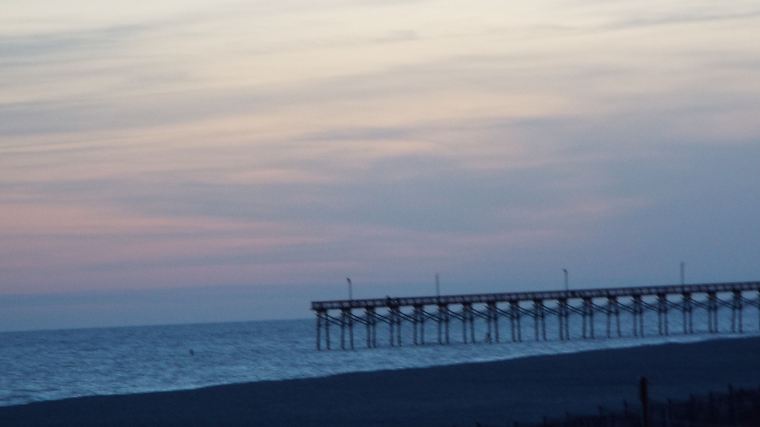
I was at the beach with a couple of friends on a little quilting retreat.  We had such a good time making purses and laughing over our silly mistakes.  I think we did more unsewing than actual sewing.

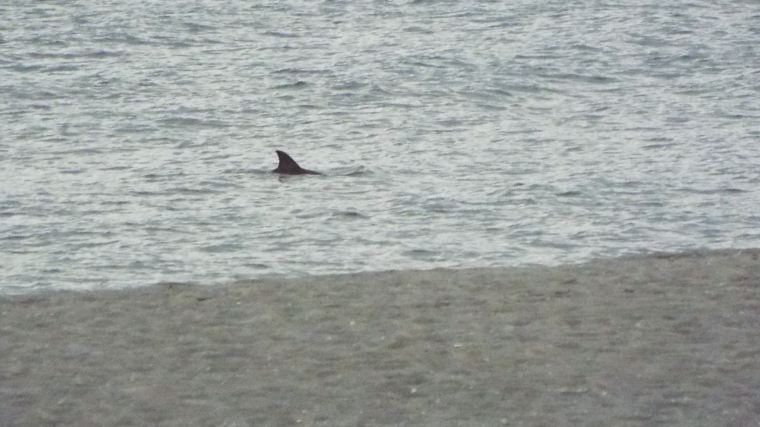
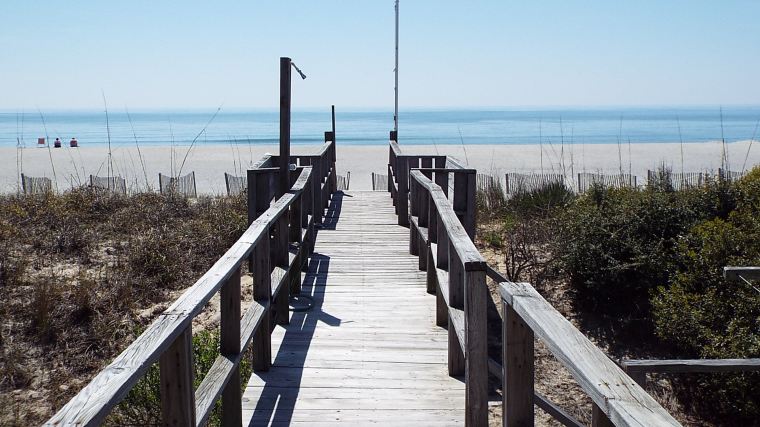
I enjoyed walks on the beach with Gracie.  It was her first time on the beach and she just loved it.  It took her a little time to get used to the water coming onto the sand where she was standing.  She would run away from them.  It was a wonderful eight days.  There is nothing more relaxing than the view of the beach while you are quilting.
hb418hb4182hb4183

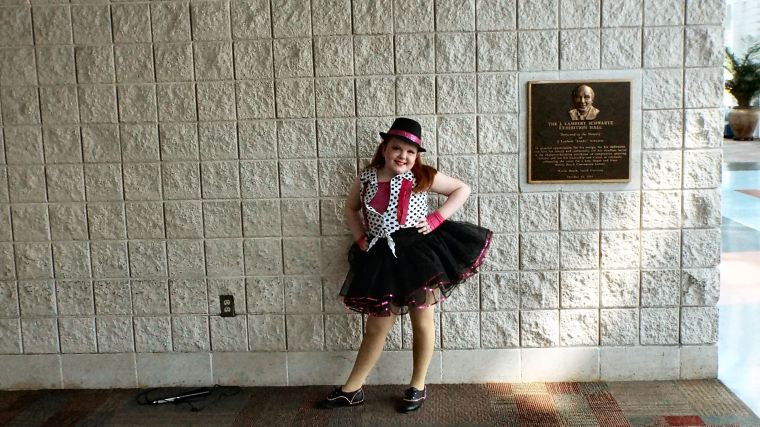
I got home on Thursday and had enough time to do some laundry before I left Friday for my granddaughter Alannah’s dance competition.  We always have a good time on these trips.  Alannah did very well with her solo, and her group dances were great too.  I am so proud of her.  🙂
platmb418

We drove home Sunday getting me home around 1:00, I grabbed my things out of Kelly’s car threw them in the house and hopped into my car to go to the fashion show.  My friend Ruth invited me to go.  I met her there and we had a lovely time.  The fashion show was a fundraiser for Cape Fear Catholic Charities.

By the time I got home Sunday, I was really beat.  I spent Monday watching the postponed Bristol race.

Tuesday it was sit and stitch and had a good time visiting with the girls there.  I took my crocheting with me and made a couple of newborn hats.

Did some things around the house on Wednesday, then Thursday Gracie had to go to the vet for her checkup.  On the way home, something was in the road when I swerved to avoid it, I hit a curb.  This is what happened.  tire418I had to drive it like this for about 2 miles.  That was the longest trip I had ever driven.  Gracie started throwing up from her shots.  I had blisters on my feet from wearing new sandals, and my iced coffee had gone through me and there was no way I could walk.  What a day!
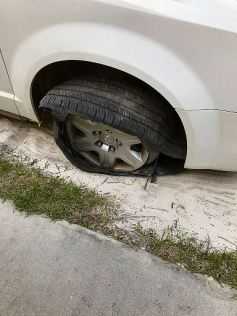
Of course when I had to call to have the spare put on the van.  Do you know where that spare is?  You have to take the console out, then use a long wrench to release the spare which is under the van.  What a production.  I would never have been able to do it by myself.

So with the spare on the van, I drive down to the store to get a new tire.  Of course, they don’t have the right size in stock.  My new tire should be in on Monday.  Since the spare is a little on the small side, I am homebound until Monday when they call me.

On top of my busy couple of weeks, I have failed miserably with my blogging.  Before I went to the beach I had written my posts for the A to Z challenge and scheduled them to be posted.  I did something wrong and they didn’t post.  I also didn’t realize I was supposed to link them to the letter pages.  I hope to do a better job with it next year.

The other challenges I like to participate in went undone too.  But that’s what happens when life gets in the way.  Right?

Tonight is the first NASCAR night race.  It is in Richmond and it’s another short track.  I will be watching it with Gracie by my side and I might get some hand sewing done.  I am in the middle of a wool project and an embroidery project, so maybe I will get one of them finished.

I need a refill on my coffee so I’ll say bye until next time.  Have a good week.

Wanda

“Gratitude turns what we have into enough”


R is for Ribbon, Rotary Cutter, Ruffles, Ruler,& Running Stitch

R

R is another popular letter in the world of stitching.

ribbons

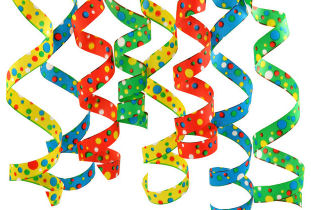
Ribbons are used for embellishment on clothing, quilts, and other needlework.  The variety of ribbons is extensive and they are made from different textiles.  Silk is especially lovely to work with.


Related image

Rotary Cutters are a quilters best friend.  They have made cutting fabric so much quicker and easier.  There are many styles and sizes of rotary cutters, and most quilters own several of them.  But we all have our favorite one.  Mine is the large blue rotary cutter above.  It is made by Dritz.  The blade engages when you apply pressure.   Rotary cutters are used with cutting mats that are self-healing so that the cuts don’t create permanent ruts in them.   Here are a few more styles.

rotary2

          rotaty1          rotary3

Ruffles are used in clothing and quilting and even in furniture upholstery.  They add a soft edge to whatever you are making.  Ruffles are added to blouses, skirts, dresses, hats, baby clothes, curtains, edges of quilts and quilted wall hangings.  Ruffles add design to any outfit.  Just look how cute this outfit is.

Image result for ruffle

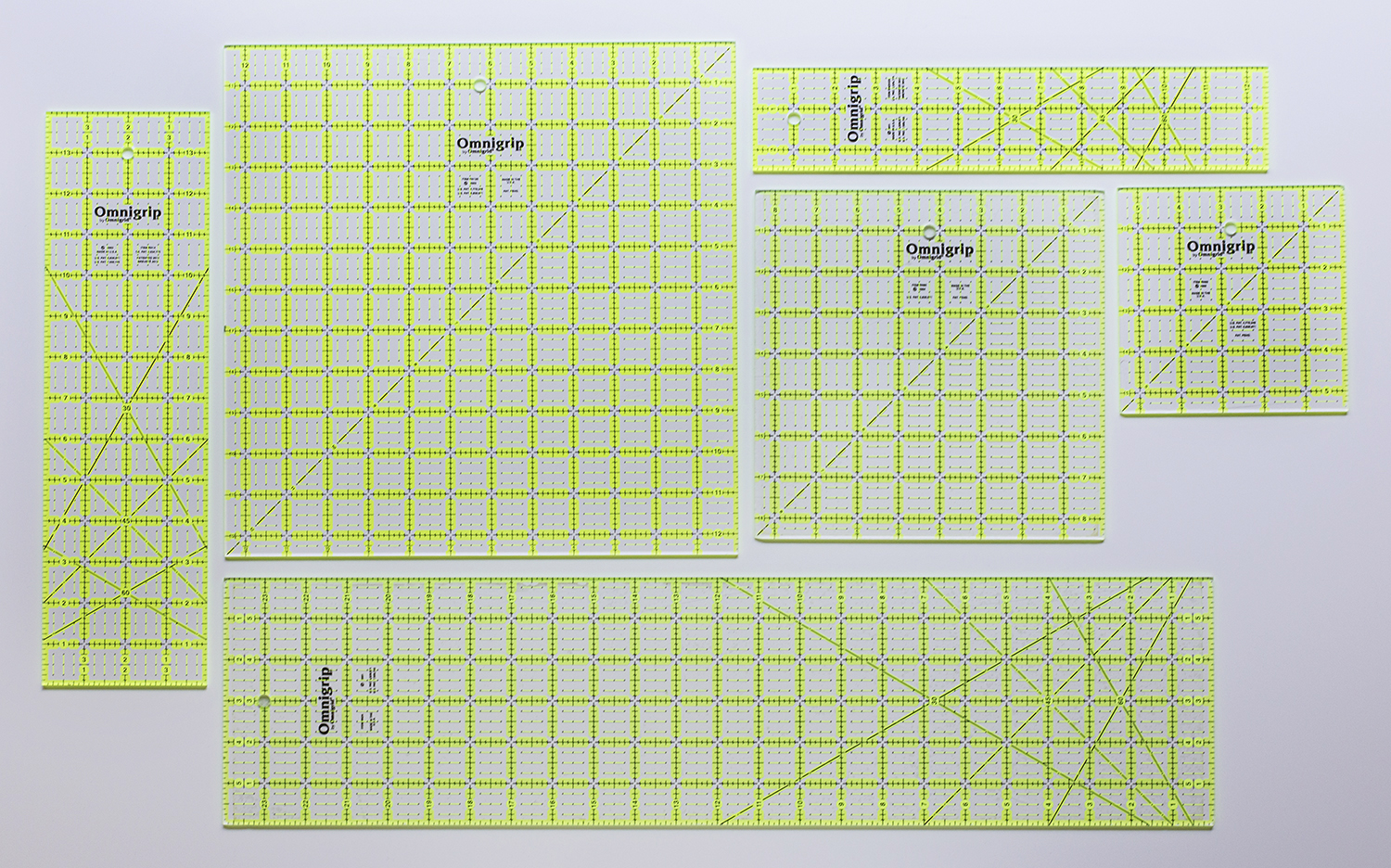
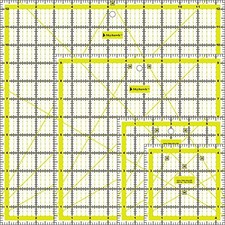
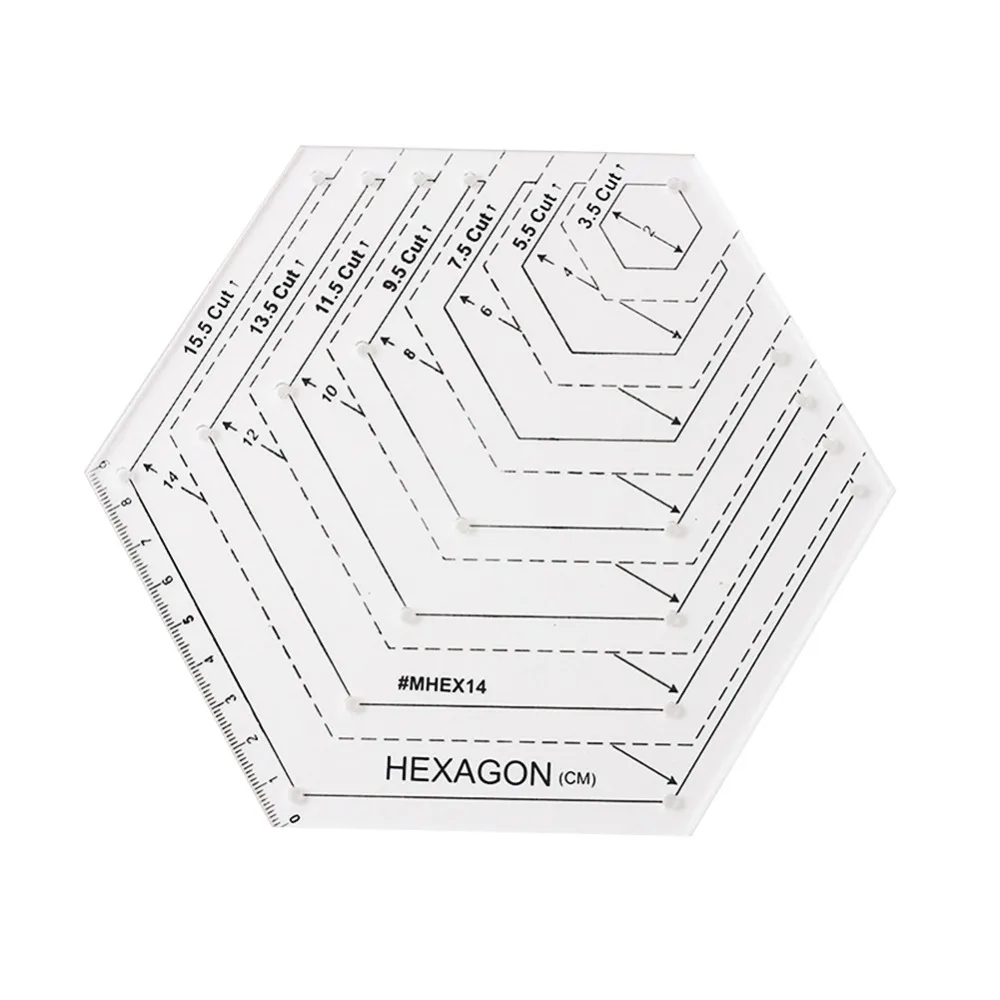
Rulers are a quilters best friend.  We all own a variety of makes, styles, and lengths.  They are used to cut fabric and give it a crisp straight edge.  Quilters spend a lot of time cutting their fabric to create the patches for the patterns they are creating.  Here are a few samples of the rulers we use.

            Image result for quilters rulers

        Image result for quilters rulers

Image result for quilters rulersIn sewing, rulers or tape measures which are cloth are used for taking body measurements for clothing construction.  A small 6-inch ruler with an attached marker is also used to create a straight evenly folded hem on pants and cuffs of sleeves.

Dritz Sewing Gauge-6"

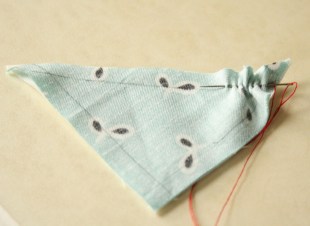
A Running Stitch is just what it sounds like,  It is a simple evenly spaced stitch that runs in and out through the cloth without overlapping.  This can be accomplished by hand or by machine.  Its purpose is to connect two pieces of fabric, in both quilting, clothing construction, curtains, and upholstery.  It can also be used as embellishment.  Here are a few examples of a running stitch.

Image result for running stitch


Image result for running stitch in quilting


Image result for running stitch in hand piecing


I hope that this has inspired you to pull out your sewing machine or that embroidery project that you started a while ago and do some sewing.

Wanda


Q is for Quilt

Q

April 2018 Challenge

According to Wikipedia, a quilt is a multi-layered textile, traditionally composed of three layers of fiber: a woven cloth top, a layer of batting or wadding, and a woven back combined using the technique of quilting, the process of sewing the three layers together.

The pattern of stitching can be the key decorative element if a single piece of fabric is used for the top of a quilt, (a “wholecloth quilt”), but in many cases the top is pieced from a patchwork of smaller fabric pieces; and the pattern and color of these pieces will be important to the design.

In the twenty-first century, quilts are frequently displayed as non-utilitarian works of art[1] but historically quilts were often used as bedcovers; and this use persists today.

But quilts are so much more.  They are a hug that can wrap around you anytime you need one.  They are warm, comforting, and they give support in times of trouble or need.

Many of us remember our grandmother’s handmade quilts while we were growing up.  I was not that fortunate.  Neither of my grandmother’s quilted.  My dad’s mom sewed beautifully and made me new dresses all through my teen years.  It wasn’t until after I met my husband and went with him to the Amish country in Lancaster that I discovered the beautiful quilts.  From that moment on I was hooked.


I have loved quilts for years and wanted to learn how to quilt.  Finally, after moving to North Carolina I found a quilt guild close by and joined.  I was fortunate enough to meet wonderful, talented women who taught me so much.

It wasn’t long till I was teaching others how to quilt. Well, how to piece.  The quilting part was difficult for me.  I was a poor hand quilter and just could not coordinate my hands and the motion to machine quilt on a domestic machine.

My husband got me a Grace frame with a larger necked domestic machine and I had a ball with it.  I was turning out quilts right and left.  However, I longed to have a Long Arm Quilting Machine.

My dream was realized.  I have an 18-inch Babylock Longarm machine.  I love how it stitches and have learned a lot of patterns that add both depth and interest to my quilts.

It amazes me that I have been quilting for 13 years already and still have so much to learn.

Many vintage/antique quilts were made using feed sacs in the 1930’s.  Civil War era quilts were made from fabric from the era of the war.  I have seen some beautiful vintage quilts and would dearly love to own one.  Maybe one day.

Grab a cuppa and wrap your self up in a quilt today!  There is nothing like it.  🙂

Wanda


P is for Patchwork, Patterns, Pin, Pin Cushion, Pinking Shears, Pleat, Pocket, & Project

P

April 2018 Challenge

Wow! P has a lot going on in the sewing world.  I’ll start with Patchwork.  This is a term used in quilting.  It is when you sew small pieces of cloth in different designs, colors, or textures together to create a block.  Here is an example.

Related imageYou can see that different fabrics are sewn together in a random pattern.  They could also be sewn together to create a specific pattern.  When many different pieces of fabric are used, the type of quilt is referred to as a scrap quilt.


Now Patterns refer to the directions for creating a quilt or an article of clothing. There are many types of patterns used in quilting.  Appliquè requires a pattern for the shapes of the objects to be put on the background.

Many times there are patterns in the form of templates when you are making purses, toys, dolls, etc. and when paper piecing which is a way to create a quilt block that has a specific object in it.

Clothing patterns are made of thin paper with lines designating the direction of the grain of fabric to cut along.  The paper is pinned to the fabric, then cut out using pinking shears.  The pattern includes markings for the seams, darts, and areas that are matched up with the attaching piece of fabric.

Clothing patterns have improved so much in the last fifty years.  The directions are written well and the patterns themselves have improved.  Cutting clothes out is still not my favorite part of the operation, but with the new sewing machines with the variety of stitches, it makes it possible to use regular scissors rather than the pinking shears.

Related image   Image result for image of paper pattern for clothes

Here is a typical clothes pattern.  On the left is the pattern itself which is pinned to the fabric so that the shapes can be cut out.  On the right is a picture of the outside of the envelope that pattern comes in and then the description of what pieces are used for what options you choose.  Finally, there is the pattern layout.  The width of the fabric you are using determines the layout of the pattern so that there is minimal waste.

You can make your own patterns as well.  When my granddaughter was little I used to design cute little sundresses for her.  They are simple to make and work up so quickly.

Pins, they are just what you are imagining.  There is such a variety of pins that are used in quilting and sewing.  Dressmaking straight pins, appliquè pins which are thin and shorter, glass head pins, pins with directions on the top, safety pins, large hat or corsage pins and I am sure there are some I have not thought of at this time.

When quilting to keep your seams even and your blocks nestled into each other, use of pins is helpful.  Some people never pin, some always pin.

When constructing clothing pinning is essential to a good fit.  First, the pattern is pinned onto the fabric, then the pieces are pinned together for sewing.  No matter what you are making pins are always a part of the process.

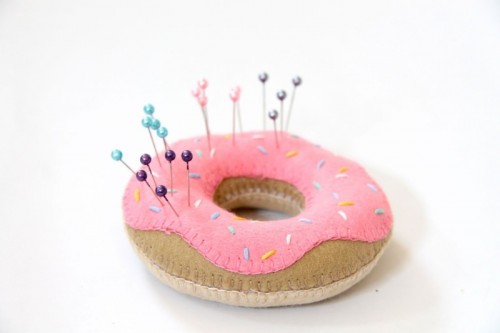
Pincushions are simply where you keep your pins handy for use.  There are many different kinds of pin cushions.  Sewers and quilters love pin cushions.  The cuter the better.  I will mention here that even the magnetic pin holders are referred to as pin cushions.  Here are a few examples.

Image result for pincushions  Image result for pincushions  Image result for pincushions  Image result for pincushions   Image result for pincushions

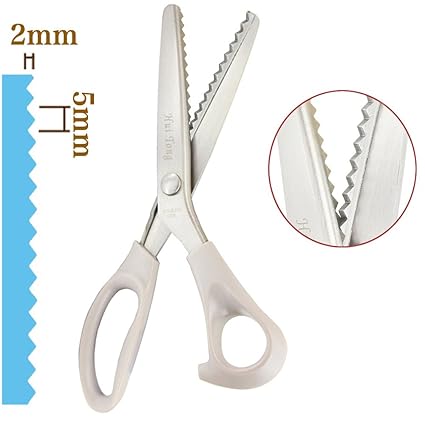
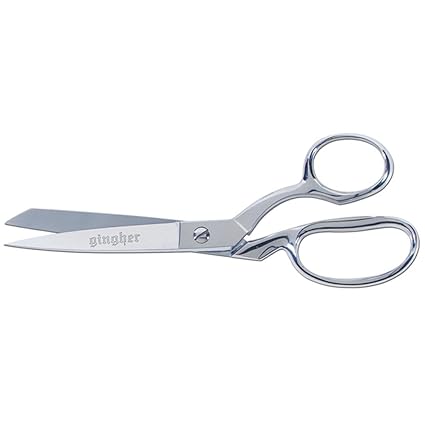
Pinking shears have serrated blades that leave a zig-zag type of edge on fabric so it won’t fray.  See the difference between the pinking shears and regular scissors?

Hui Tong fabric pinking shears, sewing scissors ,Pinking Shears, pinking scissors,grey 5mm serrated               Gingher 8-Inch Knife Edge Dressmaker's Shears

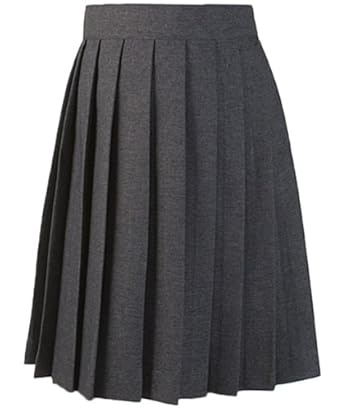
Pleats are a double or multiple folds in a garment or other itemImage result for pleated skirt made of cloth, held by stitching the top or side. These create extra room in the piece.  For instance a pleated skirt.
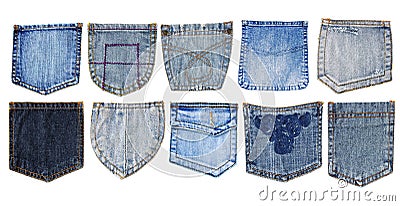
Image result for pocketsPockets are added to all kinds of things.  Clothing, pocketbooks, lap quilts, and wall hangings to name a few.  They are not only a useful thing to have in your garment, but are also a design element.  I have included a selection of jeans pockets that are used by various manufacturers.  As a quilter, I have added pockets to purses, quilts, and clothing.  You can never have too many pockets.
That brings us to Project.  In the quilting and sewing world what we are working on is referred to as a project.  Usually, quilters have more than one project going at a time.  I am not sure how this happens.  Maybe it’s because in the middle of one project you need to make a new baby quilt, or a wall hanging for a friend’s birthday, or you take a class, and sometimes you just get bored with what you are doing and need a break from it.

That wraps up the P.  I hope you have learned a little something while visiting me today.

Wanda


O is for Overlock Stitch

O

The overlock stitch is a specialized stitch on the sewing machine for giving seams a finished look that keeps the fabric from unraveling.

The overlock stitch is a combination of a straight stitch and a zigzag. It sews backward and forward in a straight line, but between every set of straight stitches, it sews a zigzag.

When I learned how to make clothing, my grandmother taught me to always use pinking shears that cut the edge of the fabric in a zig-zag pattern.  This was to keep the fabric from unraveling.  I hated to use those shears, they were hard to use and hurt my hand.  At the time my grandmother had only a straight stitch sewing machine.  Now, I use the overlock stitch whenever I make clothing.

The overlock stitch mimics a serger which trims and overlocks in one step.  The beauty of having this stitch on a regular sewing machine is that you only need one machine to accomplish both jobs.

Overlocking

N is for Needle, Needlepoint & Notions

N

Needles come in a variety of sizes and shapes.  There are machine needles and hand sewing needles.  Hand needles are used for all types of embroidery including needlepoint and crewel, candlewicking, needle punch, quilting, and for sewing knitted and crocheted projects together.

Usually, the larger the number size the larger the needle.  Sewing machine needles go from 70 to 90 or 10 through 16 for domestic machines.  The needles are chosen according to the type of project, the weight of the fabric and the kind of thread being used.

Needlepoint is a type of needlework created by following a pattern that has been printed onto a screen like background.  The piece is completely filled in with the yarn or thread used and the piece is usually stapled to a wooden frame for stitching.

Image result for needlepoint images

Notions refer to the tools used for sewing or quilting.  I can tell you that for a quilter notions are a favorite subject for discussion and procurement.  It seems we all want the latest gadget available to make our task as easy as possible.

Notions include scissors, needles, thimbles, thread, rulers, rotary cutters, pins, zippers, elastic, bobbins and bobbin holders…there is an extensive list that goes on and on.


M is for Material

M

Material in the sewing world is the cloth fabric that is used.  Cotton, polyester, wool, linen, silk, satin, denim, and others are readily available today.  Many fabrics are imported some are still made in this country.  There are chains of stores here JoAnn’s, Hobby Lobby, AC Moore to name a few and many many quilt shops where a variety of material can be obtained, along with thread to compliment your projects.

L is for Lockstitch

L

A lockstitch is the most common mechanical stitch made by a sewing machine.  It differs from a chain stitch in that there is no chain on the underside of the stitched fabric.  Chain stitching machines are mostly handheld or children’s sewing machines.  Most of the industry use only lockstitch machines.

When sewing with a lockstitch the tension must be even on both the top and bottom thread.  It is suitable for stretch fabrics, and any other available fabrics on the market today.

The chain stitch is very good for making bathing suits, and for very stretchy fabric because the chain on the underside has more give to it.


K is for Knit & Knot

K

Knitting is done with wool or synthetic yarn.  Sweaters, scarves, gloves, mittens, afghans, and many other articles are made by knitting.  The basic stitches of knitting are knit and purl.  Every other stitch is basically a variation of these two basic stitches.

You can also knit using a loom.  There are many options available for whatever you want to make.  It is not necessary to spend a fortune to give knitting a try.  Yarn, knitting needles are inexpensive and there are so many patterns available for free online and on the inside label of yarn.

There are many groups or clubs for knitters.  It is a wonderful way to make new friends and create beautiful pieces.  When my grandchildren were little I used to knit them hats and scarves.  They always loved them.  I lived far from them and I always felt it was like me hugging them all winter long.  🙂

We mention knots here because they are needed to hold the thread in place.  After threading a needle, a small knot is made at the end of the thread.  This keeps the end of the thread from slipping right through the fabric.  Knots are used in hand stitching, not with a sewing machine.  When using a sewing machine backstitching is done by reversing the direction of the fabric as it goes over the feed dogs.


J is for Join

J

When you are sewing you join the fabric together by stitching.  This is how you create seams in clothing and between blocks when making quilts.  It is a pretty simple concept that can be accomplished by either hand or sewing machine.

However, join also stands for joining sewing and quilting bees, clubs, and guilds.  The fellowship that comes from joining these types of groups is wonderful.  Lasting friendships are often made and cherished.  Both men and women are members.  Very often many of these groups make articles of clothing and quilts for charity.  My guild has several outreach projects that we are involved in.  We make newborn quilts for our community hospital, newborn baby hats, habitat home quilts, lap quilts for area nursing homes, cancer quilts and hats, cognitive therapy quilts for dementia residents, veteran lap quilts, and walker bags.  We are a busy guild and I love this part of my quilting guild.